Water Flood Damage
Urgent help: If you have standing water, call/text 248-506-5308 for fast guidance and service availability in Michigan.
Stay Calm and Take Immediate Action
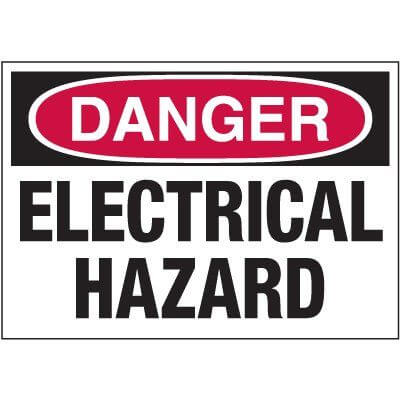
Water damage can feel overwhelming. Focus on safety first, and then limit secondary damage right away. When water reaches outlets, appliances, or your electrical panel, treat it as a serious shock hazard.
Step 1: Safety First (Power, People, and Pets)
- Do not step into water when you suspect electrical contact.
- Shut off power to the affected area only when you can do it safely. When you feel uncertain, call a licensed electrician.
- Keep children and pets away from the affected space until you secure the area and confirm conditions.
Step 2: Stop the Source and Limit Spread
- If plumbing caused the leak, shut off the water supply (use the main shutoff when needed).
- Move valuables and furniture to a dry area, or elevate items on blocks when possible.
- When conditions allow, place towels at thresholds and use basic containment to stop water from migrating.
Step 3: Document for Insurance
Take photos and short videos before you start major cleanup. Many people describe water incidents broadly as “flooding,” yet coverage often depends on the cause (for example, sewer backup vs. stormwater vs. plumbing failure). Michigan’s DIFS recommends clear communication: report water damage and ask which coverage applies.
What Causes Water Damage?
Common causes include severe storms, burst or leaking pipes, appliance failures, sump pump issues, and renovation mishaps. Even well-maintained homes can still take on water, especially basements and lower-level spaces.
Important: Review your insurance details now (before a loss) so you understand what is and is not covered.
Insurance Gaps & DIY Mistakes
When coverage limits options, homeowners often try to dry out the area with household fans, shop vacs, or small dehumidifiers. That approach may help with minor moisture, but it usually falls short after water soaks carpet pad, subflooring, drywall, or baseboards.
Time matters during drying. The EPA notes that drying wet materials within 24–48 hours often lowers the chance of mold growth. Delays raise the risk quickly and can turn a manageable job into a much larger repair.
Mold Risk: Act Fast, Stay Practical
Mold grows when moisture stays in place. After water damage, prioritize rapid extraction and professional-grade drying. When you cannot dry affected materials quickly and thoroughly, treat the situation seriously and follow the EPA’s disaster cleanup guidance for next steps.
Why Choose Elite for Flood Cleanup?
Elite Carpet & Upholstery Cleaning supports Michigan homes with water and flood restoration focused on fast action, careful work, and clear communication. We operate locally as a family-owned business with over 30 years of hands-on experience.
- Fast Response – We move quickly to reduce water migration and prevent avoidable damage.
- Professional Equipment – We use high-powered extraction and drying methods that household tools typically cannot match.
- Owner-led Service – You work with a local team that takes personal accountability for results.
- Honest Guidance – We explain what you can restore and what you should replace, so you can plan with clarity.
What to Expect During Flood Restoration
- Assessment: Identify the source, map affected materials, and track moisture pathways.
- Water Extraction: Remove standing water, and pull water from carpet and padding when conditions allow.
- Drying Plan: Set airflow and dehumidification based on the structure and the extent of saturation.
- Monitoring: Measure progress, and adjust equipment placement as drying conditions change.
- Next-Step Recommendations: Provide practical guidance when repairs or replacement make more sense.
Mini-FAQ: Water Flood Damage
How quickly do I need to act?
Act immediately. The EPA emphasizes rapid drying of wet materials—generally within 24–48 hours—to reduce the chance of mold growth.
Should I use a shop vac and fans?
Use them only for very small spills. They often cannot handle water that has soaked into padding, drywall, or subfloors. When you have wide-area wet carpet or saturated building materials, professional extraction and drying usually becomes necessary.
Is floodwater dangerous?
It can be. The CDC warns that floodwater may contain sewage, chemicals, and debris. Follow safety precautions, keep children away, and use careful cleanup practices.
Call Now for Urgent Help
Every minute counts when water damage strikes. Call/text 248-506-5308 for urgent help and next-step guidance, or request service online here:
contact Elite Carpet & Upholstery Cleaning.
Other Michigan Services
- Water & flood restoration services in Michigan
- Tile and grout cleaning
- Green carpet cleaning options
- Why renting a carpet cleaning machine often disappoints
- Meet the owner-led, family business
- Farmington Hills carpet cleaning
- Southfield carpet cleaning